Olive grove
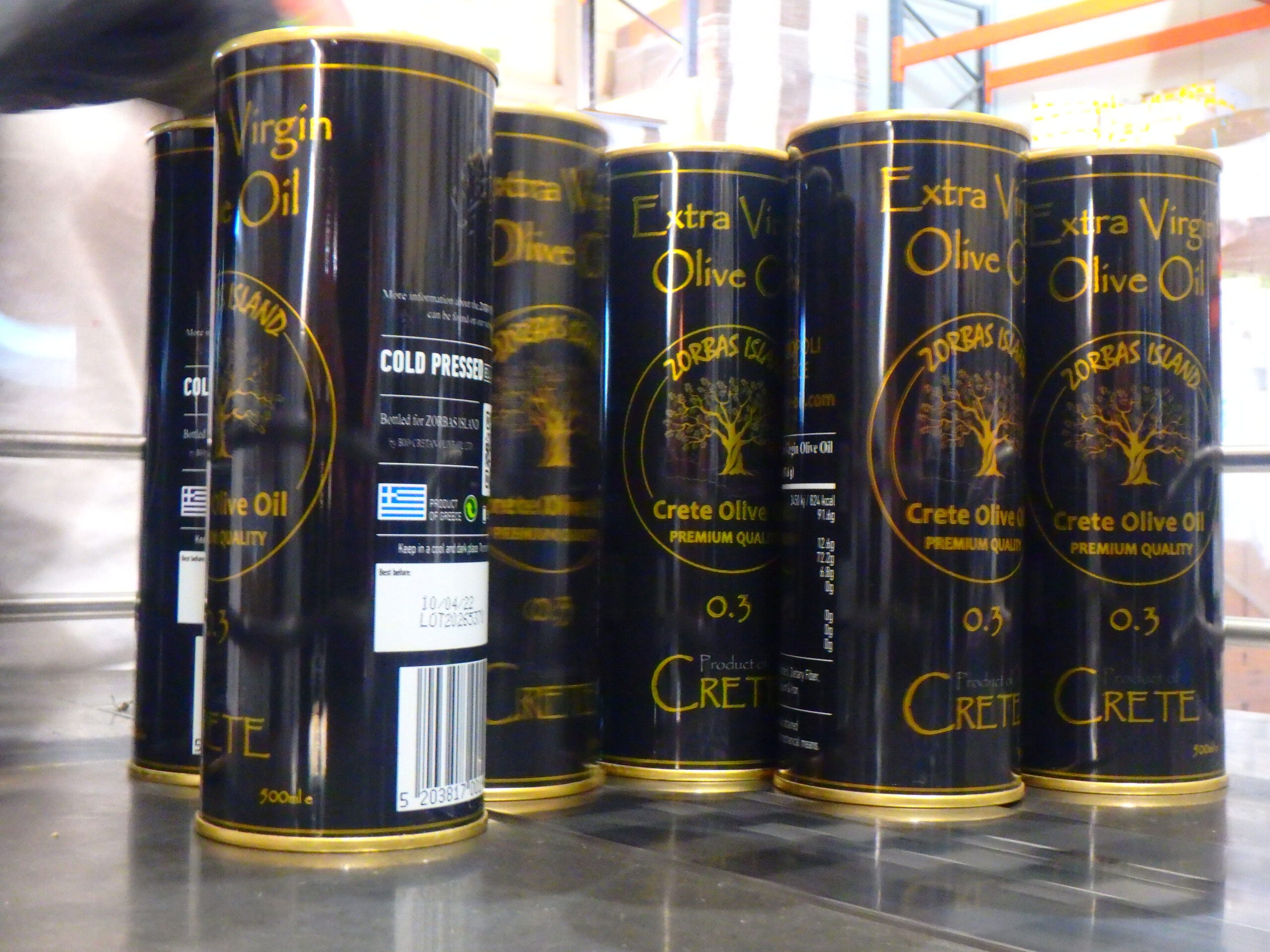
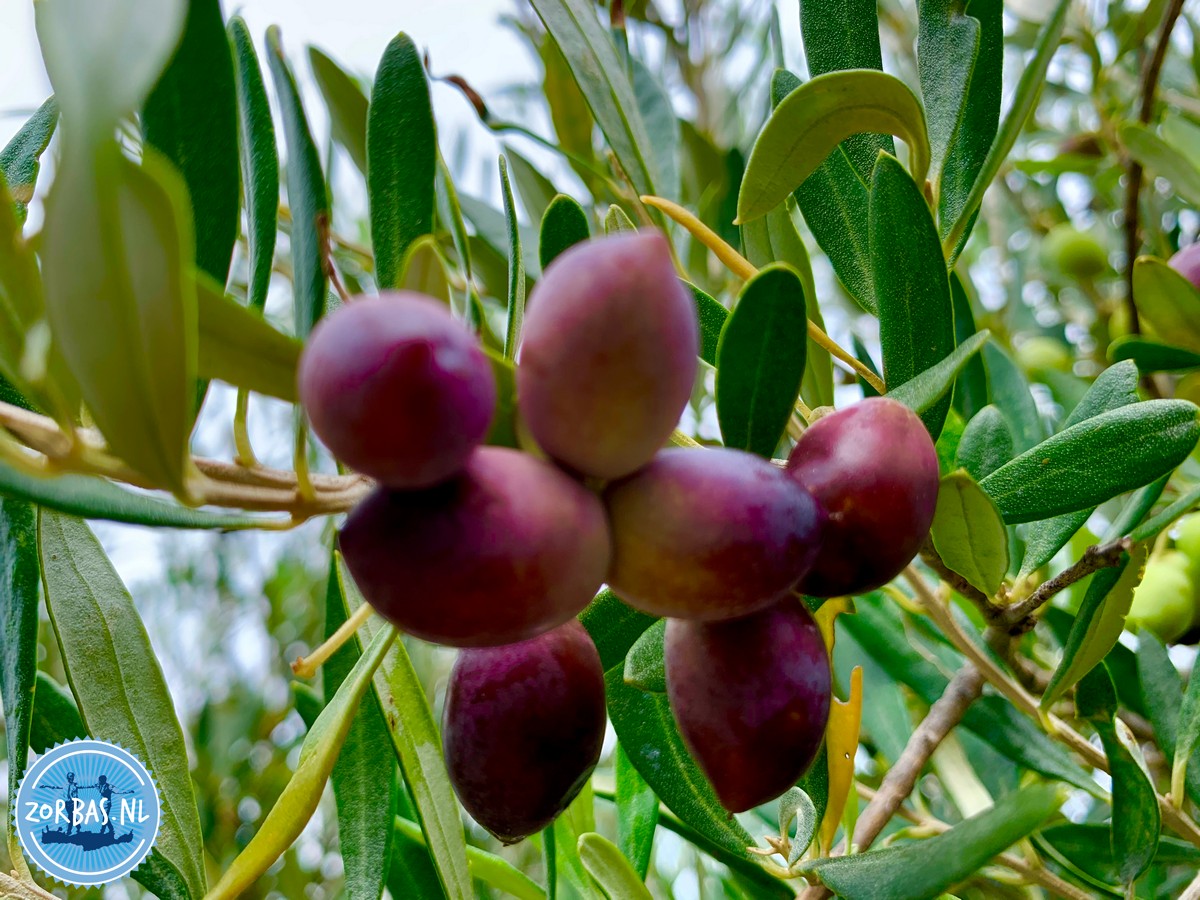
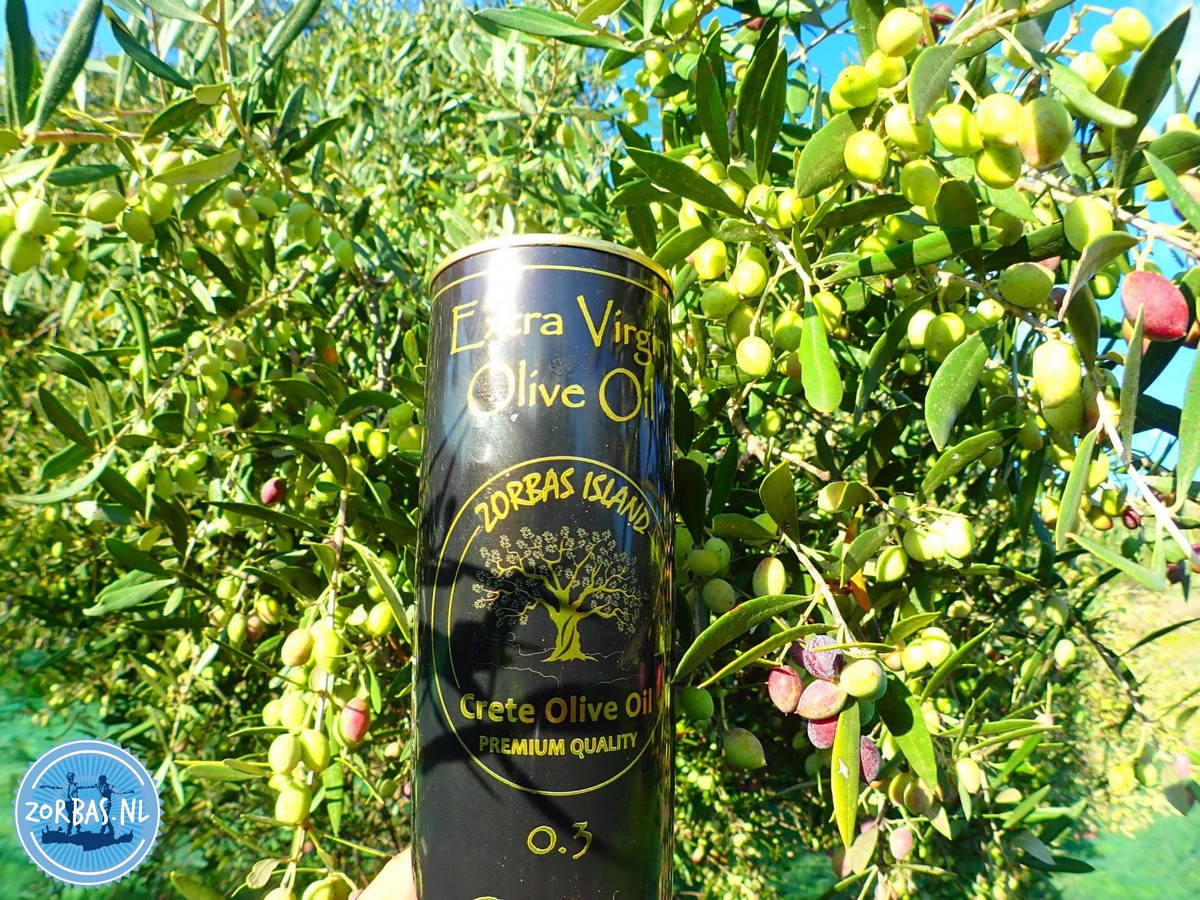
To guarantee the top quality and low acidity of 0.3 of Zorbas Island olive oil, proper storage is essential.
Storage advice: Keep your liquid gold in top condition
Our 100% organic olive oil is a natural product that has been pressed with care. To preserve the refined taste and healthy properties for as long as possible, we recommend the following:
• Seek shade: Light is olive oil’s greatest enemy. Store the bottle or tin in a dark place, such as a kitchen cupboard or the cellar.
• Keep it cool, but not cold: The ideal storage temperature is between 14°C and 18°C. Preferably do not place the oil directly next to the stove or oven, but do not store it in the refrigerator either (as this can cause the oil to flake).
• Seal the bottle tightly: Oxygen causes oxidation, which negatively affects the quality. Tighten the cap firmly immediately after each use.
By following these simple steps, the acidity remains low and you will enjoy the authentic taste of Crete down to the last drop!
Is the olive oil cloudy or do you see flakes?
Don’t panic! This is actually a sign of the 100% natural and unprocessed quality of our Zorbas Island olive oil.
Because our oil is organic and not chemically treated, it may start to solidify at temperatures below 10°C. This looks like white flakes or a cloudy haze in the bottle. This is a completely natural process and has no influence whatsoever on the taste, the low acidity, or the quality.
The solution is simple:
1. Place the tin in a spot at room temperature (around 20°C).
2. Let the oil warm up slowly.
3. After a short time, the flakes will disappear on their own, and the oil will become beautifully golden yellow and clear again.
What does an acidity of 0.3% mean for olive oil?
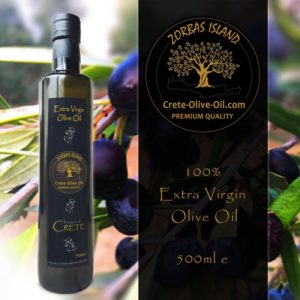
In the world of olive oil, acidity is the ultimate indicator of quality. Anything below 0.8% can be labeled ‘extra virgin’, but our Zorbas Island olive oil takes the crown with an extremely low acidity of just 0.3%. Made from olives that are cold-pressed at 28°C and are rich in polyphenols. This is a medicine and a delicacy in one. You can order this healthy olive oil online, straight from Kokkini Hani to your kitchen.
Research has shown that the olive oil of Crete is among the best in the world. The warm climate, no air pollution and strict rules on the care and pressing of the olives are the main factors why the olive oil from Crete are healthy. Little is written about the care of the olive trees and we would like to explain you more about this.
No matter how old an olive tree is, if it is well cared for, even a hundreds-year-old tree can still produce a lot of olives. Caring for the olive tree is probably the most crucial part of olive oil production. We still care for our olive trees in the traditional Cretan way, because this is proven to be the most effective way. The cycle starts mid-February immediately after the end of the harvest. This is the time that the trees should be pruned.
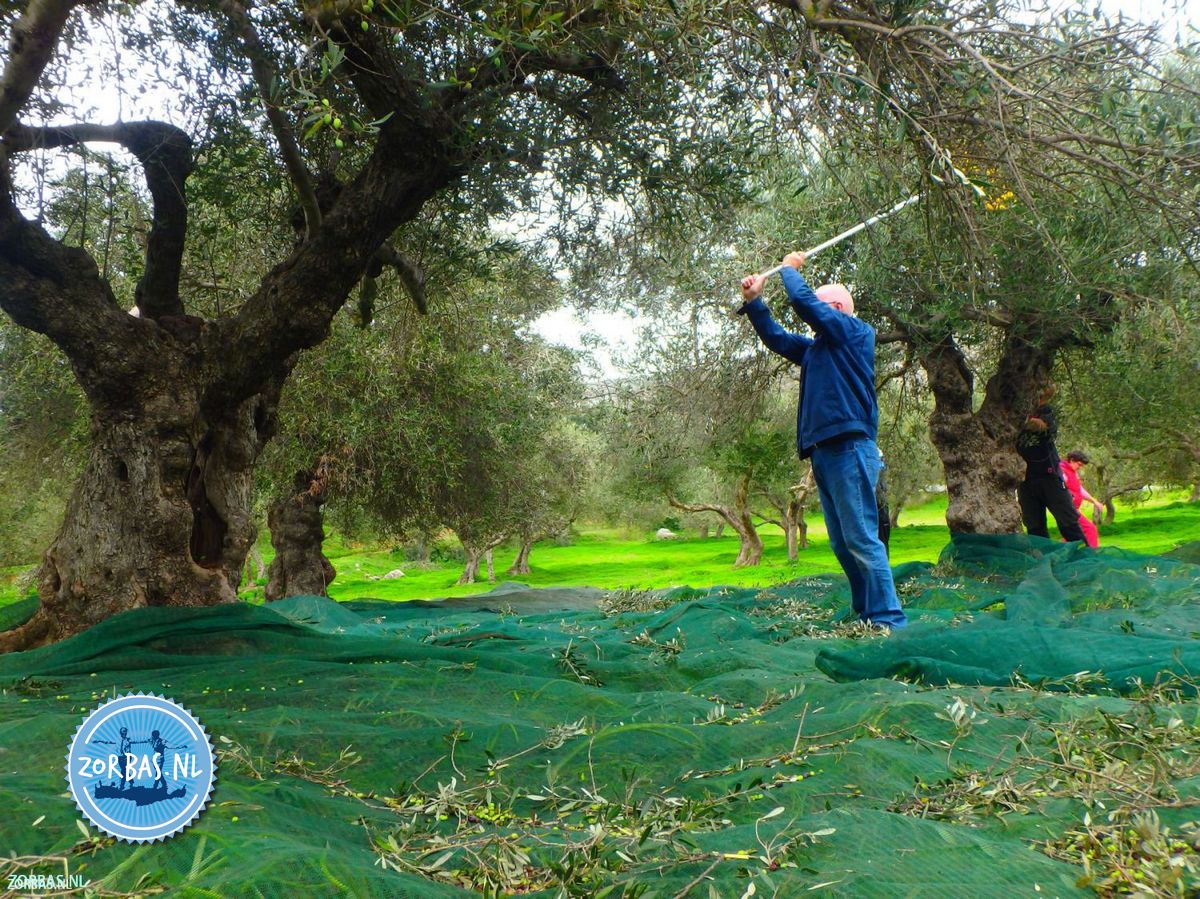
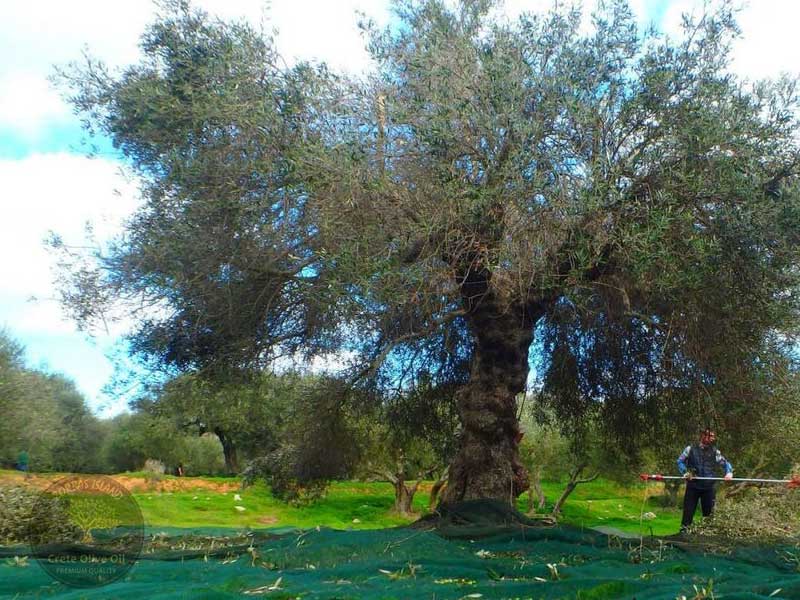
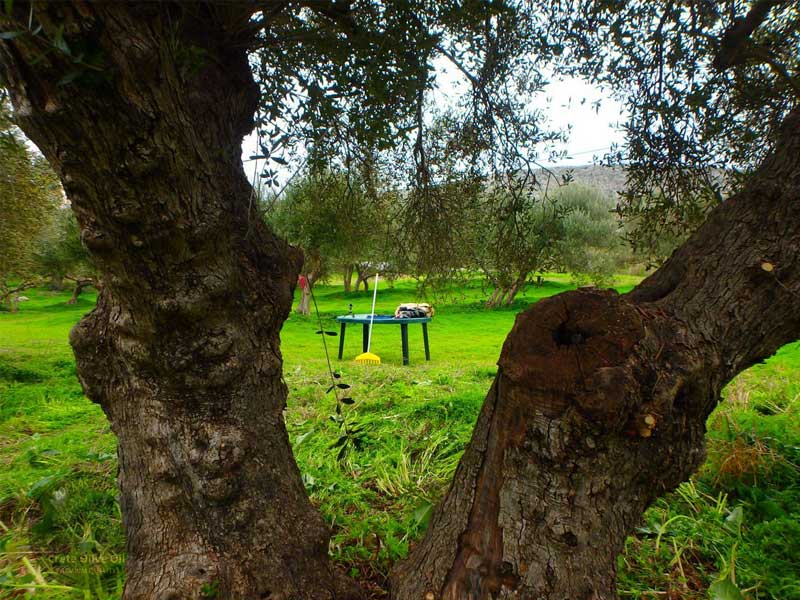
The olive trees must be pruned every year to stimulate the growth of new branches. Pruning an olive tree is a technique one must learn to master. Olives generally grow on young branches. Old branches that already produced many olives, should be cut away for sure. The tree should also not have too many side branches. But the most important is that the branches of the tree are exposed to sunlight and air. This explains why we see many trees that have no branches in the middle after pruning. These trees almost look like an umbrella.
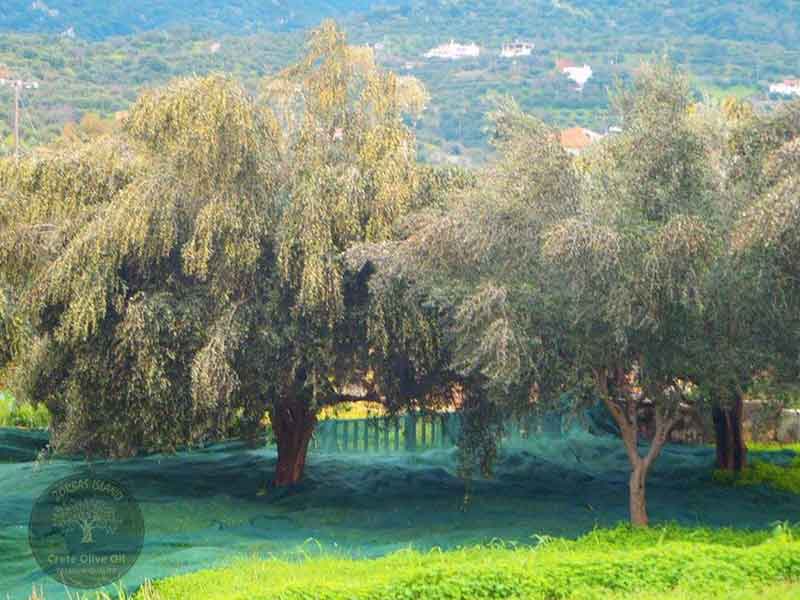
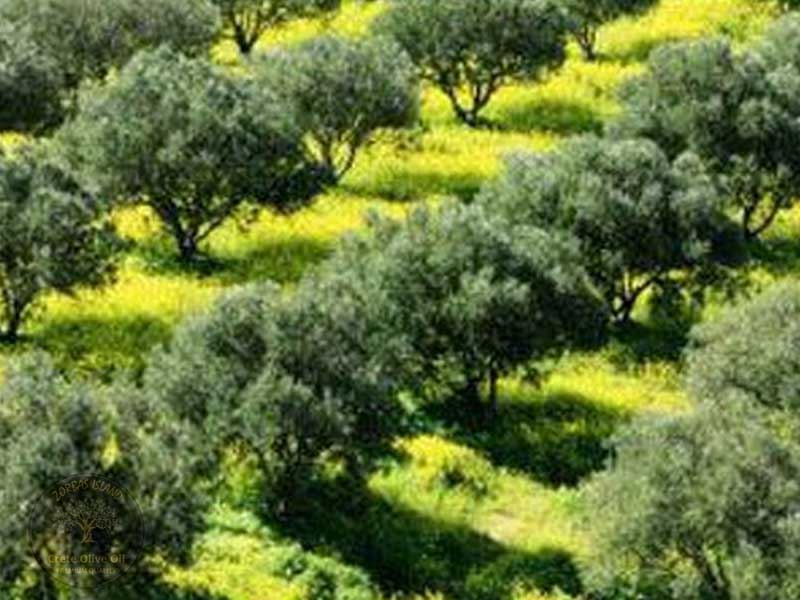
The Cretan olive grove
It is important that the soil has the right nutrients for the olive tree. The leaves that may fall from the tree during harvesting, are nature’s way of keeping soil fertile and organically rich. But it is also necessary to fertilize the soil around the tree after pruning and before flowering in spring. The fertilizer should be rich in phosphorous and potassium. It is basically enough to do this once a year.
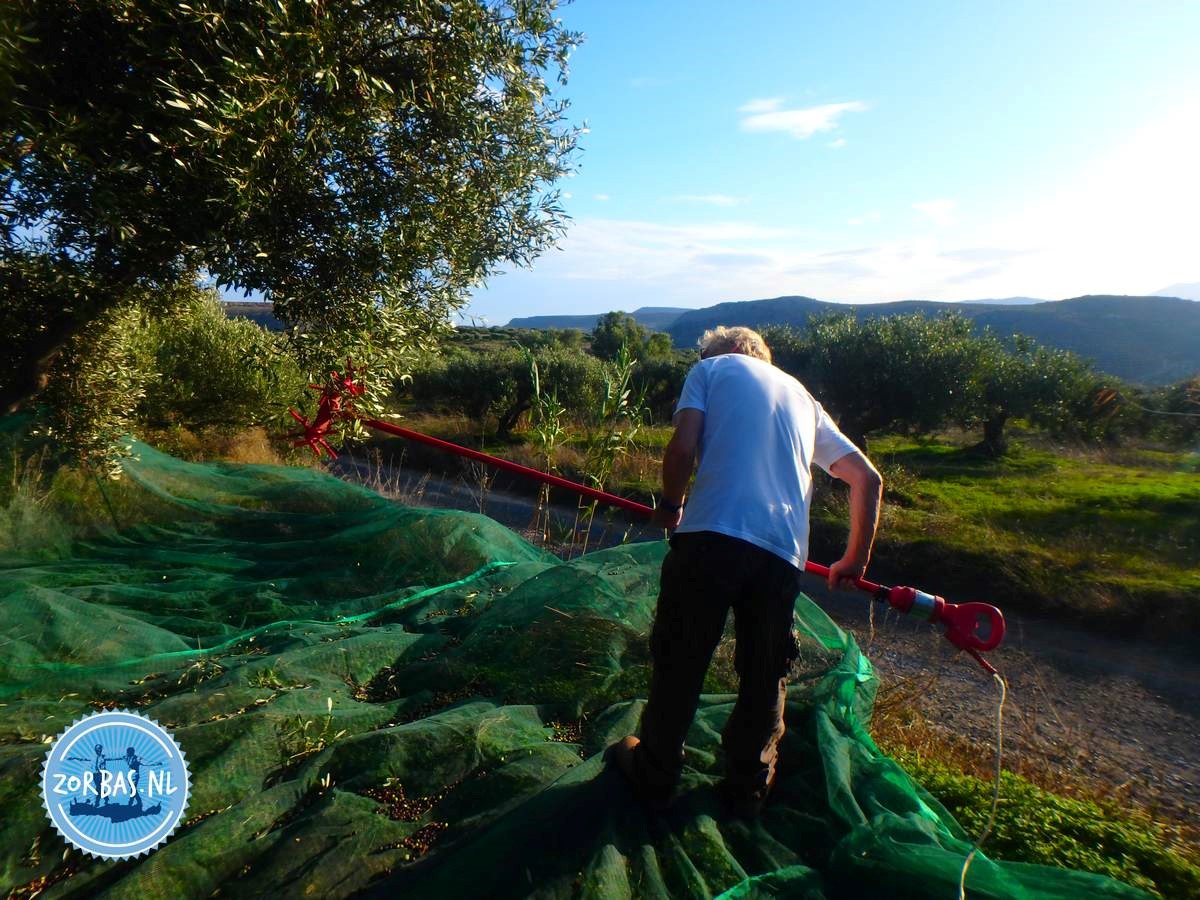
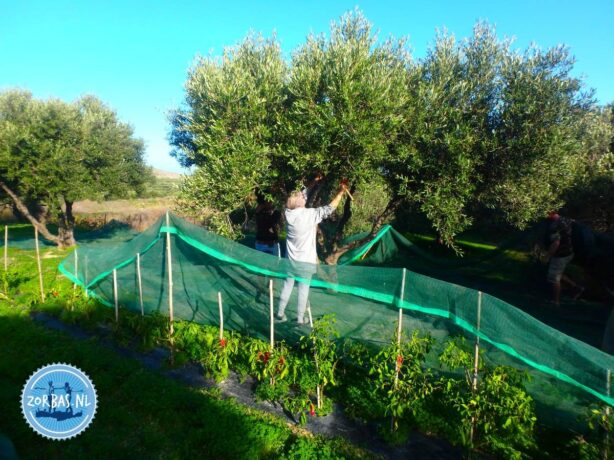
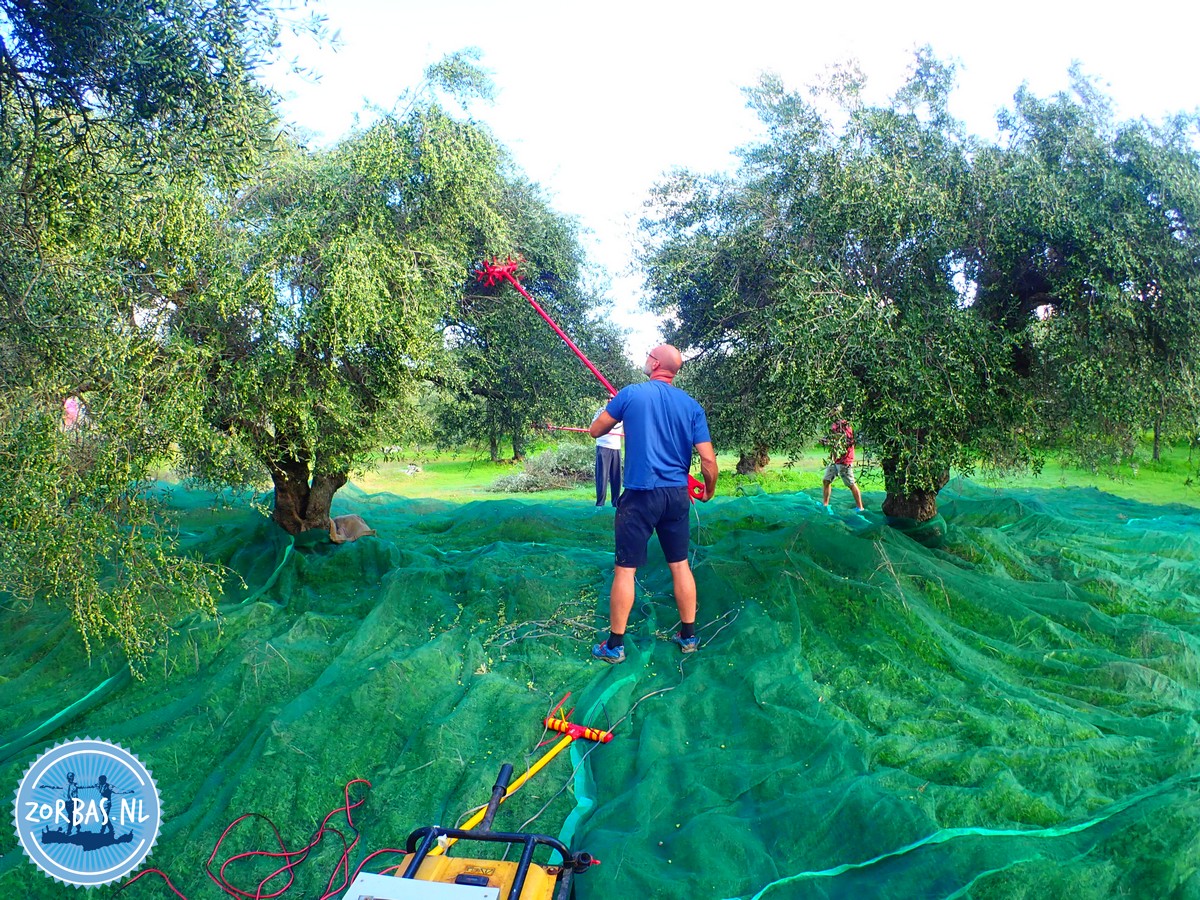
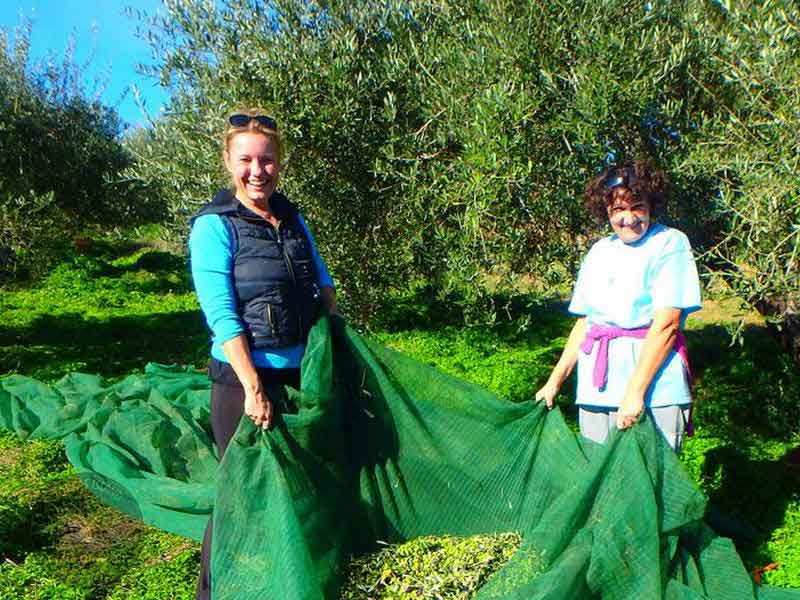
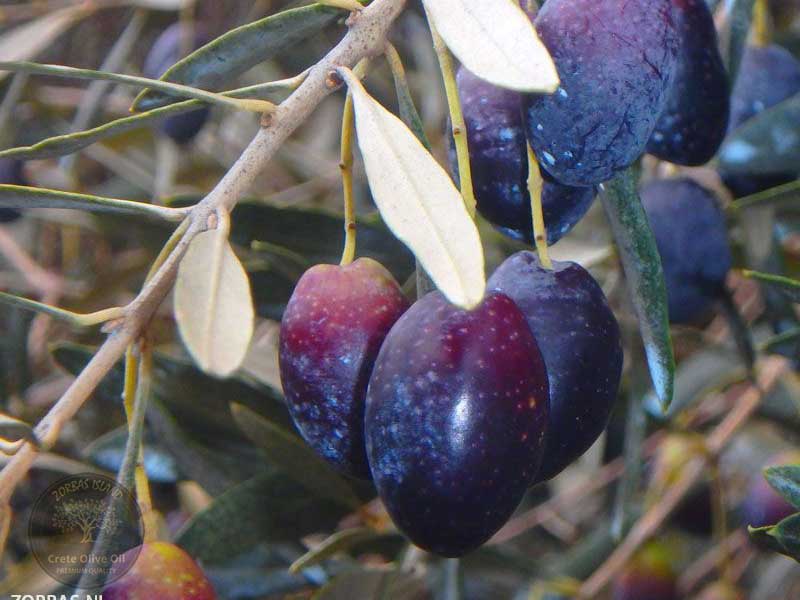
Now the time has come in the spring, that the tree will do the work. Pretty soon there are very small flowers visible, which then turn into olives as big as pinheads. The olive tree uses all summer to grow these into mature olives. In summer there are only a few things that need to be done in the olive grove. First of all, it is good to remove excess new branches so that the tree can give more energy to the growth of the olives. Then it is wise to keep the field free of unwanted shrubs and stones, so that the nets do not tear during harvesting. And furthermore, it is important that the olive grove is irrigated. Never water too much, but also not too little. Crete Olives have many health benefits, special the extra virgin olive oil.
Information about olive trees
Crete is an island where it gets very hot in the summer and it hardly rains then. Essentially olive trees can survive long drought periods. The olives even grow on the tree if it does not get a drop of water all summer. But why should then we water the olive trees? First, this benefits how firm the olive is attached to the tree. If the olive tree occasionally gets water, the stalk holds the olive more firmly. This is important because in Crete there might be a strong wind blowing, which makes the mature olives fall from the tree.
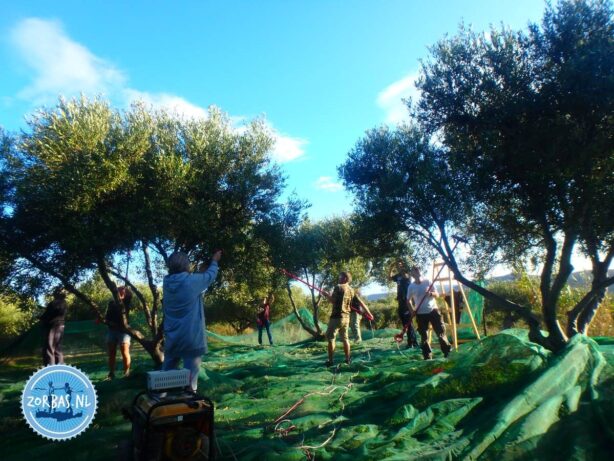
Olives that have fallen from the tree are not suitable for olive oil production and are therefore not used. Secondly, if the olive tree occasionally gets some water, the olive produces more oil. The Autumn has arrived, and it is time to start harvesting the olives in crete.